

ENCOUNTER (European Network for Country House and Estate Research)
The European network for research on manors and estates ‘ENCOUNTER’ is a research network that aims to form European partnerships between researchers and cultural institutions who share a professional interest in manor and estate history.
ENCOUNTER was founded in October 2015 at Gammel Estrup, Denmark
Read more about the network here
Nordic Network/Nordic Castle and Manor House Symposium
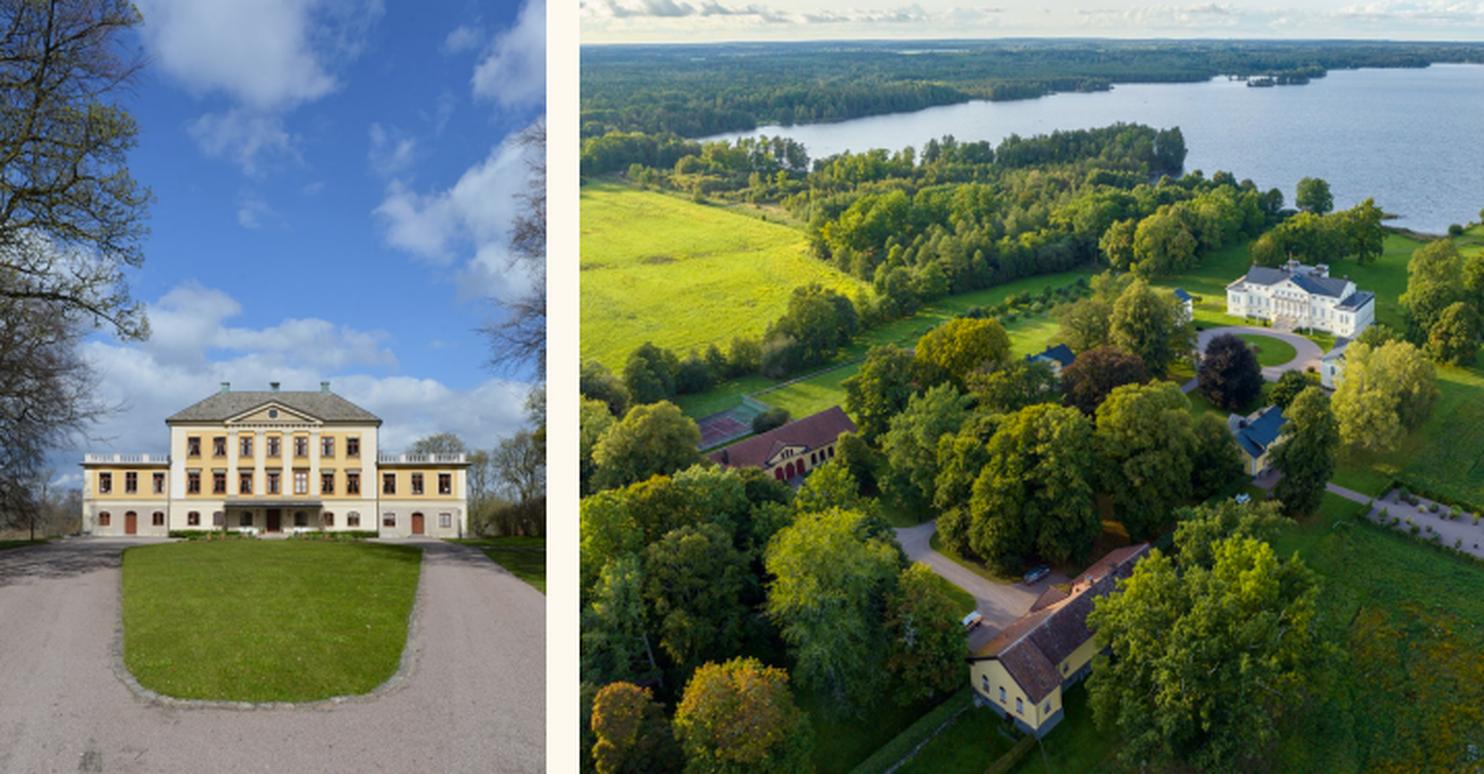
Since 1999, Nordic Palace and Manor Symposia have been held with more or less regularity in Norway, Sweden, Finland and Denmark
In addition to putting the manors on a common Nordic agenda, the symposia have created a successful symbiosis between universities and museums through an active and well-functioning research network.
In The Nordic Network information about the symposia and the area of interest is exchanged.
Slots- og Herregårdsforum
Slots- og Herregårdsforum is a Danish network that aims to bring together professional mediators and researchers across professional boundaries and thus create an active, nationwide forum for the exchange of working methods, research and dissemination results.
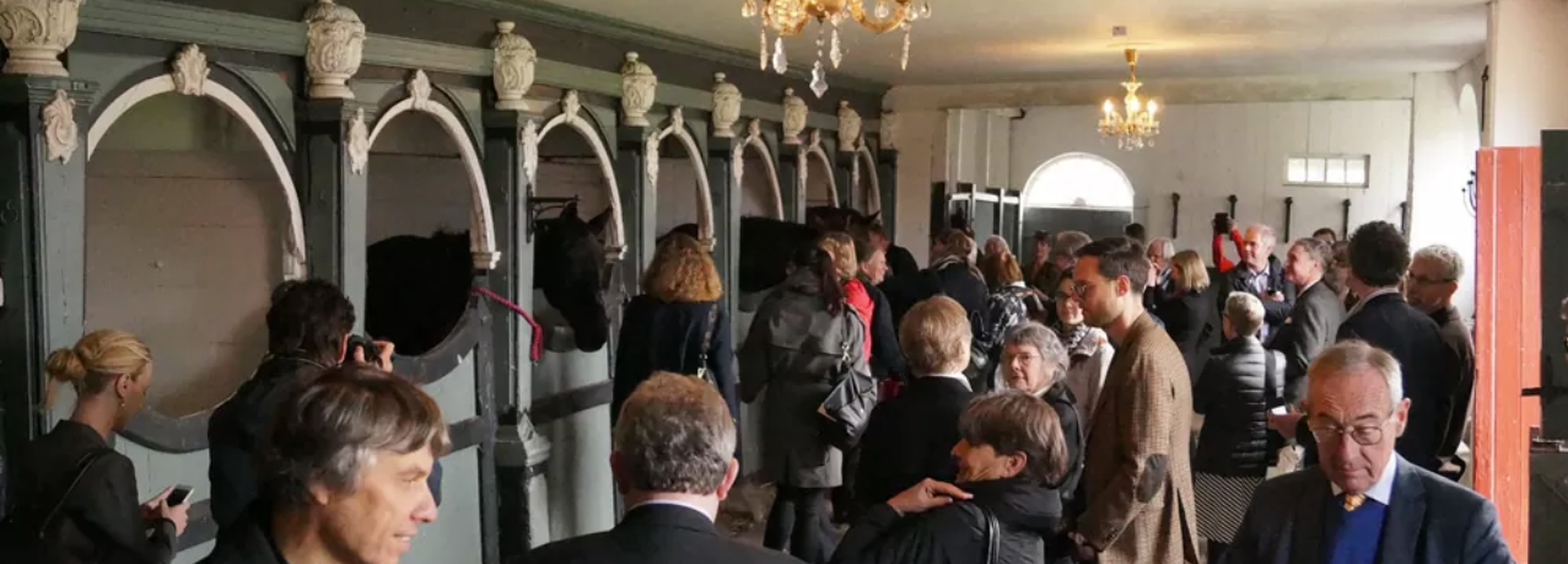
At least one seminar is held annually in the Palace and Manor Forum, where the network's members gather around a selected topic and where the network members keep each other up to date on developments in the field.
Register for the Palaces and Manors Forum by contacting dch@gammelestrup.dk.
Tidligere netværksaktivitet
An interdisciplinary, scientific study of the manor and its surroundings from the Viking Age to the present day
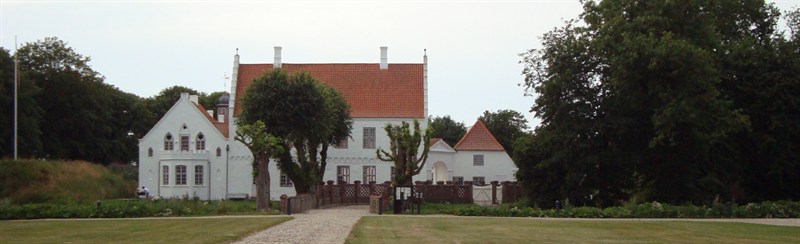
Over the past few years, the Realea Foundation has invested a three-digit million in saving, restoring and developing the manor house Nr. Vosborg, so that it can once again become a dynamic powerhouse in West Jutland in the future, as it has been in the past.
In connection with the restoration process, an interdisciplinary research project was established, the purpose of which was to uncover the manor house's history and describe the factors that contributed to making Nr. Vosborg a West Jutland powerhouse. The project has dealt not only with the existing buildings and their predecessors themselves, but also with the economic, social, political and cultural conditions that were the prerequisites for a large and significant manor house to be established and maintained over the centuries at this location.
The goal of the project was to make Nr. Vosborg Denmark's best-researched manor house, so that this project can serve as a model for others who wish to explore the significant cultural heritage associated with this country's unique collection of manor houses.
The research project has resulted in a large interdisciplinary work about the manor with contributions from more than 30 researchers.
Read more about the work “Nørre Vosborg i tid og rum” here
Read more about the project here
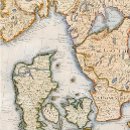
The three countries around Kattegat & Skagerrak have a community and a common cultural heritage across the sea, which the project Västerhavets Kulturarv focused on in the three-year period 2009-11. With roots in the major changes in mentality and society that the countries experienced in the 18th century, a common history emerges that is still visible in Nordic everyday life. While the traces of the 17th century may be difficult to spot today, our lives and culture are largely influenced by the ideas of the 18th century. The emergence of new cultural forms and habits such as the theater, increased private consumption, greater mobility, opportunities to travel and the establishment of new cultural networks are examples of phenomena that have characterized our society across Kattegat & Skagerrak since the 18th century. Architectural trends, manor culture, trade and industrial development, sciences, religion as well as ideas and thought patterns are other examples of a common cultural heritage that has bound and still binds people together around Kattegat/Skagerrak.
In contrast to a traditional national perspective, the project has focused on Kattegat & Skagerrak as a center – a Scandinavian possession parallel to the well-known Mediterranean culture. What is judged from a national standpoint as a regional deviation instead turns out to be a common feature from a Kattegat & Skagerrak perspective.
By breaking down the national borders around Kattegat & Skagerrak, the project has aimed, through cooperation between museums, universities and other research and cultural institutions, to clarify and activate the common heritage we possess, through traveling exhibitions, educational material, family activities, seminars and publications. The goal was to revitalize the everyday interaction that previously took place across Kattegat & Skagerrak, and thereby strengthen the cohesion in the region once again.
In February 2012, as a preliminary conclusion to the project, a publication was launched that summarizes ideas, thoughts and results generated through the cultural heritage of the Västerhavet. It deals with themes such as power, freedom and knowledge, and looks at the regional and national in the Kattegat & Skagerrak area from a transnational perspective, where human integration throughout history is in focus.
 |
 |
 |